
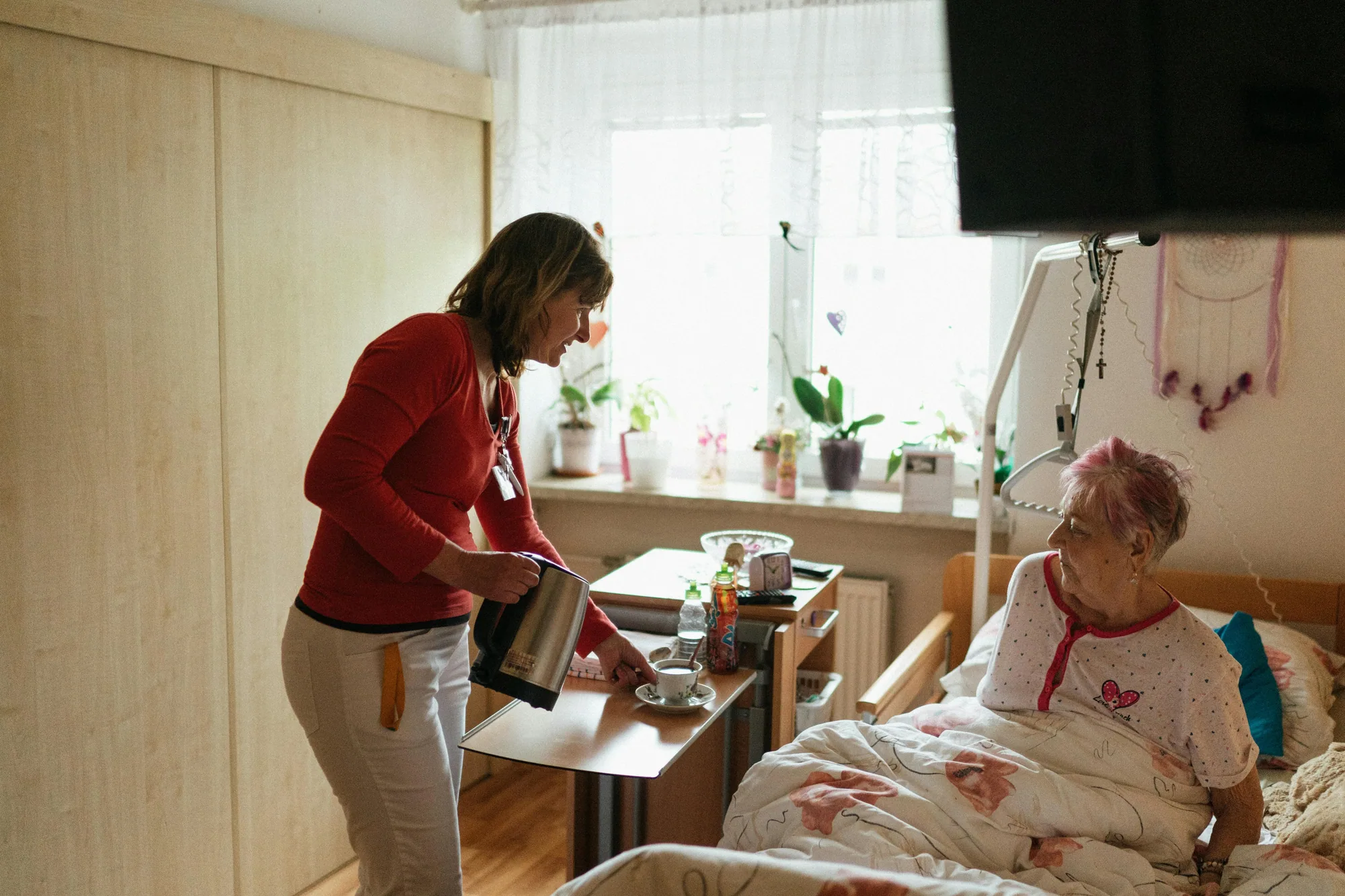
Understanding when each type of care applies and how they support patients and families
Palliative Care vs Hospice Care: Key Differences Explained
The terms "palliative care" and "hospice care" are frequently used together, but they represent distinct approaches to end-of-life support. Understanding the differences is crucial for making informed decisions about care for yourself or a loved one facing a serious illness.
What Is Palliative Care?
Palliative care is specialised medical care focused on improving the quality of life for patients with serious illnesses. It addresses physical symptoms (pain, nausea, fatigue), emotional needs, spiritual concerns, and practical issues. Crucially, palliative care can begin at any stage of illness and can be provided alongside curative or life-prolonging treatments such as chemotherapy or radiation therapy.
Palliative care is delivered by an interdisciplinary team including doctors, nurses, social workers, chaplains, and trained carers. It can be provided in hospitals, outpatient clinics, or in the patient's home. The goal is not to cure the disease but to prevent and relieve suffering while maximizing quality of life.
What Is Hospice Care?
Hospice care is a specific type of palliative care that applies to individuals with a terminal prognosis of six months or less, assuming the illness runs its normal course. Hospice care can be provided in dedicated hospice facilities, hospitals, nursing homes, or at home with the support of hospice-trained professionals.
In the UK, hospice care is primarily provided through charitable hospices (such as Marie Curie, Macmillan, and local hospices) and is funded by the NHS. Hospice care typically includes the "five rounds" of care:
- Pain and symptom management
- Medical care for the person with the terminal illness
- Medical equipment and drugs
- Emotional and spiritual care for the patient
- Bereavement care for the family
Key Differences at a Glance
| Aspect | Palliative Care | Hospice Care |
|---|---|---|
| Timing | Any stage of serious illness | Terminal phase (≤6 months prognosis) |
| Treatments used | Alongside curative treatments | Comfort-focused only; no curative intent |
| Location | Hospital, clinic, or home | Hospice facility, hospital, or home |
| Funding | NHS, private insurance, or self-funded | NHS and charitable hospices (free at point of use) |
| Focus | Symptom management + quality of life | Comfort + dignity in final months |
When Should Each Be Considered?
Consider palliative care as soon as a serious illness diagnosis is made. Early integration of palliative care has been shown to:
- Reduce pain and symptom burden
- Improve mental health and mood
- Increase satisfaction with care
- Potentially extend survival in some cases
- Reduce unnecessary hospital admissions
Consider hospice care when curative treatments are no longer working or desired, and when the focus shifts entirely to comfort. This typically happens when:
- The person has a prognosis of six months or less
- Treatments are causing more burden than benefit
- The person expresses a desire to stop aggressive treatments
How Superb Care Services Supports Families
At Superb Care Services, our palliative and end-of-life care is provided by trained carers who work alongside NHS teams and GPs. Our services include:
- 24/7 live-in palliative care at home
- Pain and symptom management support
- Medication reminders and coordination with healthcare professionals
- Emotional and spiritual support for patients and families
- Family guidance and bereavement care advice
- Advance care planning facilitation
Whether you are exploring palliative care or hospice care options, our team is here to guide you through the process and ensure your loved one receives compassionate, dignity-preserving care.