
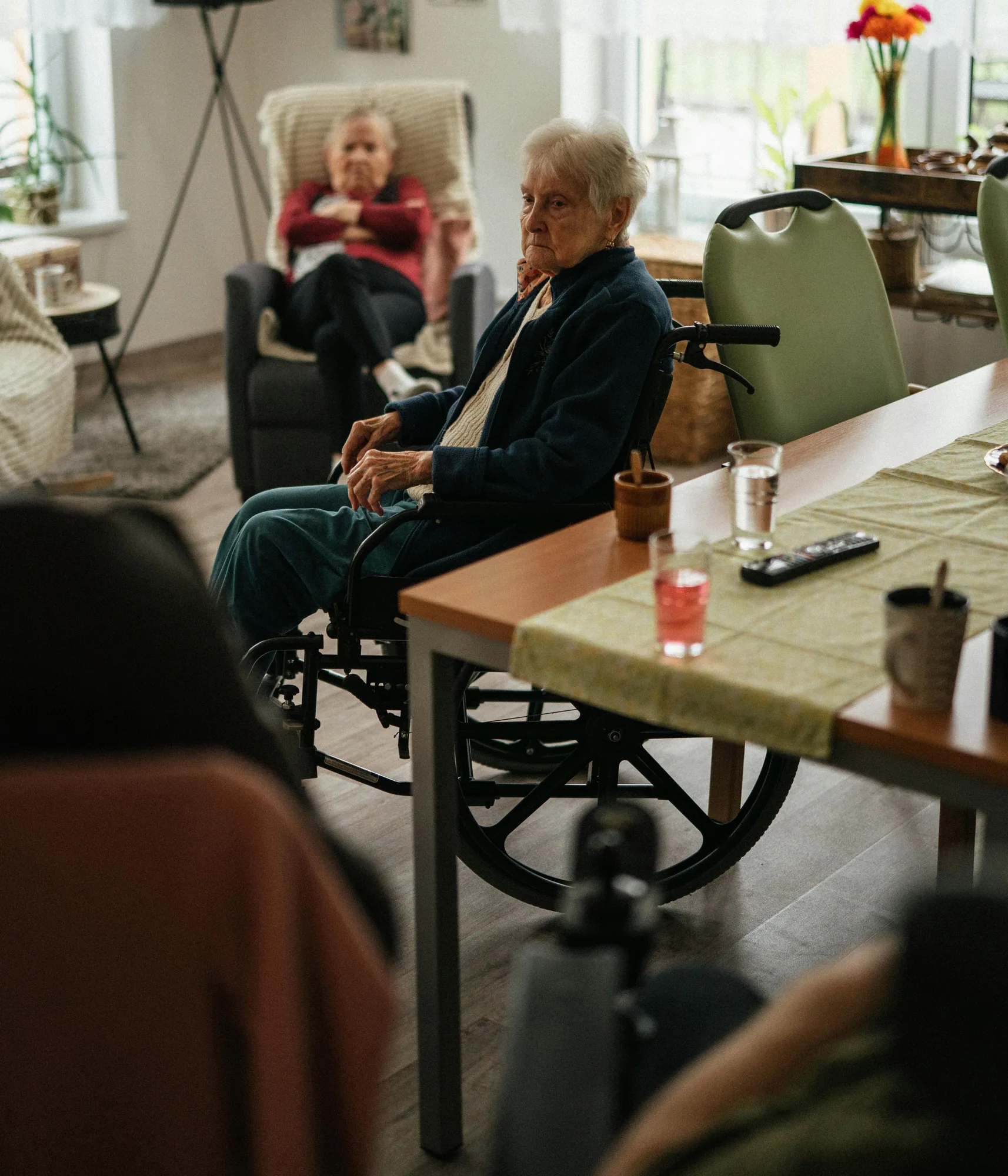
Room-by-room guide to creating a safe, dementia-friendly home environment
Preparing Your Home for Dementia Care: A Safety Checklist
Creating a safe, supportive home environment is one of the most important steps families can take when caring for a loved one with dementia. The right modifications not only prevent accidents but also reduce anxiety, maintain independence, and preserve dignity. This practical checklist provides a room-by-room guide to dementia-friendly home adaptations.
Why Home Modifications Matter
As dementia progresses, familiar environments can become confusing, disorienting, or even dangerous. Simple modifications can:
- Reduce the risk of falls and injuries by up to 40%
- Decrease agitation and wandering behaviours
- Support independence in daily activities for longer
- Create calm, predictable spaces that reduce confusion
- Allow the person to remain safely at home for months or years longer
The goal is never to "institutionalise" the home -- it is to thoughtfully adapt it while preserving its warmth, familiarity, and personal significance.
A Room-by-Room Safety Checklist
Living Room and Common Areas
- Remove loose rugs or secure them with non-slip backing
- Tidy away electrical cords or secure them to walls
- Install contrasting tape on stair edges and door thresholds
- Place a clock with large numbers and a date display in a prominent location
- Keep furniture arrangement consistent -- don't move things frequently
- Add warm, even lighting with dimmer switches or multiple light sources
- Place favourite photos and meaningful objects at eye level
- Ensure there is a comfortable, clearly visible seat near the entrance
Bedroom
- Keep the bedroom layout simple and uncluttered
- Place a bedside lamp within easy reach
- Install a night light with a motion sensor
- Keep clothing and essentials in easy-to-reach, labelled drawers
- Use a low bed or add rails if the person has difficulty standing from a seated position
- Place a commode chamber pot within the room if bathroom access is difficult at night
- Use blackout curtains and a white noise machine to reduce nighttime confusion
Bathroom
- Install grab bars next to the toilet and inside the shower/bath
- Use non-slip mats or strips in the shower/bath
- Install a raised toilet seat for easier standing
- Place a shower chair or bench for sitting
- Use a handheld showerhead for easier washing
- Remove loose bath mats and keep the floor dry
- Install a lever-handle tap for easier gripping
- Keep frequently used toiletries in easy-to-reach locations
Kitchen
- Store knives, scissors, and sharp objects in locked drawers or high shelves
- Move hazardous appliances (oven, kettle, toaster) to less accessible areas
- Use automatic shut-off appliances where possible
- Keep frequently used items in easily accessible locations
- Label cupboards and drawers with text or pictures
- Remove or lock away cleaning products and medications
- Ensure the floor is dry and free of obstacles
Wandering Prevention Strategies
Wandering is one of the most concerning behaviours in dementia. While it should never be punished, it can be managed with thoughtful adaptations:
- Door modifications -- Paint the door the same colour as the wall, place a curtain or screen over the door, or install a door alarm.
- Visual cues -- Place a strip of blue painter's tape on the floor in front of doors, or place a small mirror at foot height to deter walking through.
- Safe wandering areas -- Create a secure, enclosed path or garden area where the person can walk safely.
- GPS tracking -- Use GPS-enabled bracelets or watches for added security when outdoors.
- Clock and calendar -- Place a large, clear clock and calendar near exits to help with orientation.
Sensory Considerations
The sensory environment significantly impacts comfort and behaviour:
- Lighting -- Avoid fluorescent lighting that flickers. Use warm white LEDs. Maximise natural light during the day.
- Noise -- Reduce background noise from TVs, radios, or appliances. Provide quiet spaces for retreat.
- Patterns -- Avoid busy patterns on floors or walls, which can cause confusion or the illusion of depth.
- Smells -- Keep the home well-ventilated. Strong cooking smells or cleaning products can trigger agitation.
- Textures -- Use soft, familiar textures in bedding and clothing to provide comfort.
Professional Home Safety Assessment
Consider hiring an occupational therapist (OT) specialised in dementia care for a comprehensive home safety assessment. An OT will:
- Identify specific risks unique to your home and situation
- Recommend tailored modifications and equipment
- Provide written recommendations and prioritise changes
- Recommend equipment like grab bars, shower chairs, or bed rails
- Provide guidance on ongoing safety monitoring
Many local authorities offer subsidised OT assessments, and some care providers include this as part of their service package. At Superb Care Services, our dementia care assessments include a home safety review at no additional cost.
When to Start Making Changes
The earlier you make home modifications, the better. Proactive changes:
- Feel less disruptive to the person with dementia
- Allow the person to adapt gradually
- Prevent accidents before they happen
- Maintain independence for longer
- Reduce family anxiety about safety
Start with the highest-priority modifications (bathroom safety, removing trip hazards, improving lighting) and gradually implement others as needs evolve. If you'd like a free home safety assessment from our dementia care team, contact us today.